
Herbal gamble
What's actually inside the ginseng pill, and why the future of plant medicine is in plant factories

Swallowing a pill of ginseng should be an act of faith.
Faith that you know what you’re swallowing; faith, that between the harvest of the plant and sealing of the bottle, someone has ensured the brown pill contains what it’s supposed to. Turns out, this is not the case with ginseng, or hundreds of other herbal supplements millions of people consume every day.
Swallowing a pill of ginseng is instead an act of gamble.
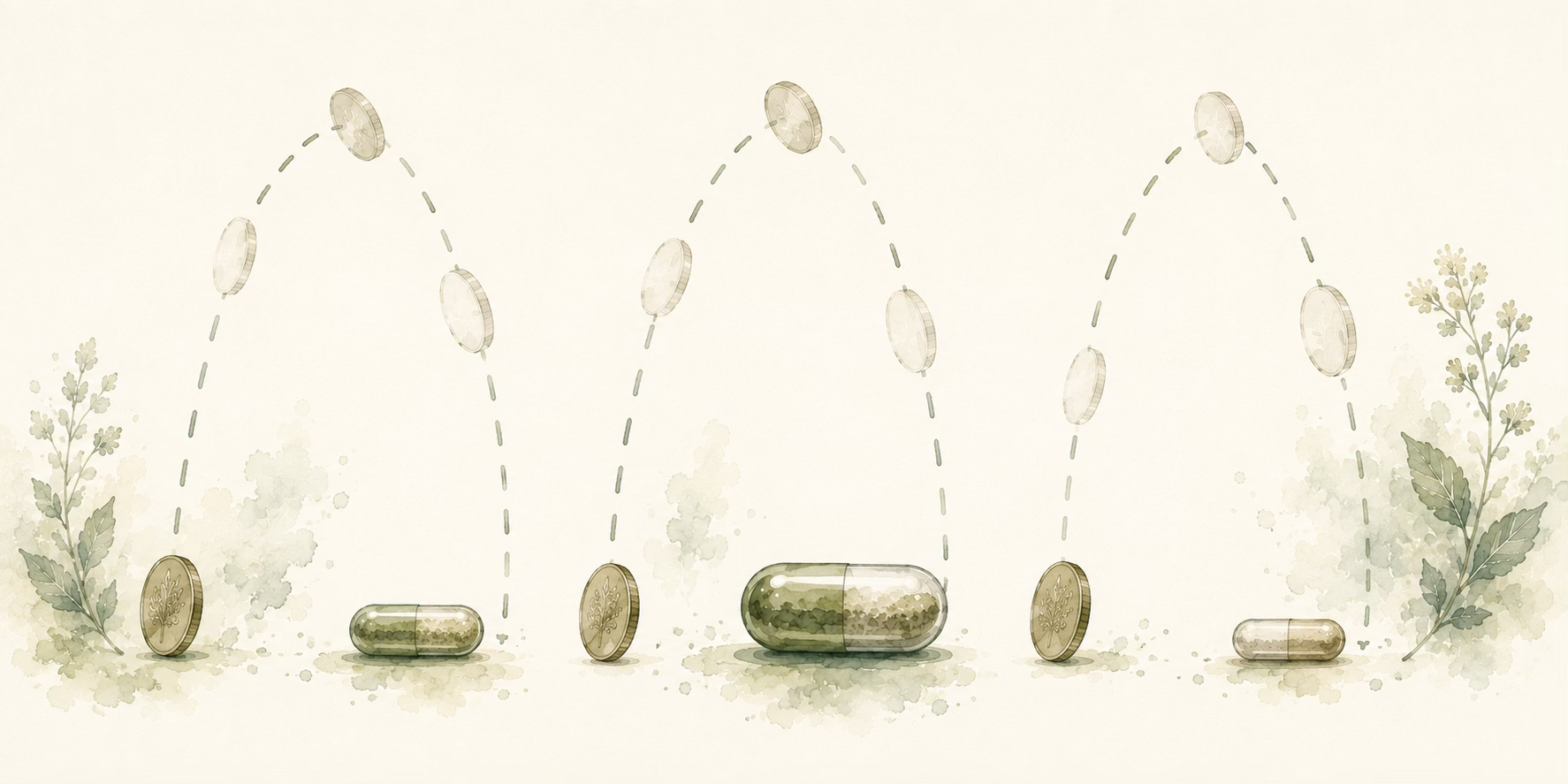
Imagine you had to toss a coin every time you took a pill of ginseng. Heads, you take thrice the intended dose; tails, you take only a third. As absurd as it sounds, this is exactly what researchers found in 2001. Harkey et al., at UC Davis, walked into their local health food store, grabbed twenty-five ginseng products (capsules, powders, and liquid extracts), and measured what was in them.
Among the products that bothered to print the concentration of active compounds (ginsenosides or eleutherosides) on the label, they found that the concentration ranged from only a tenth to three times the labelled amount. Brand to brand, the concentration of the active compounds swung by as much as two-hundred-fold!
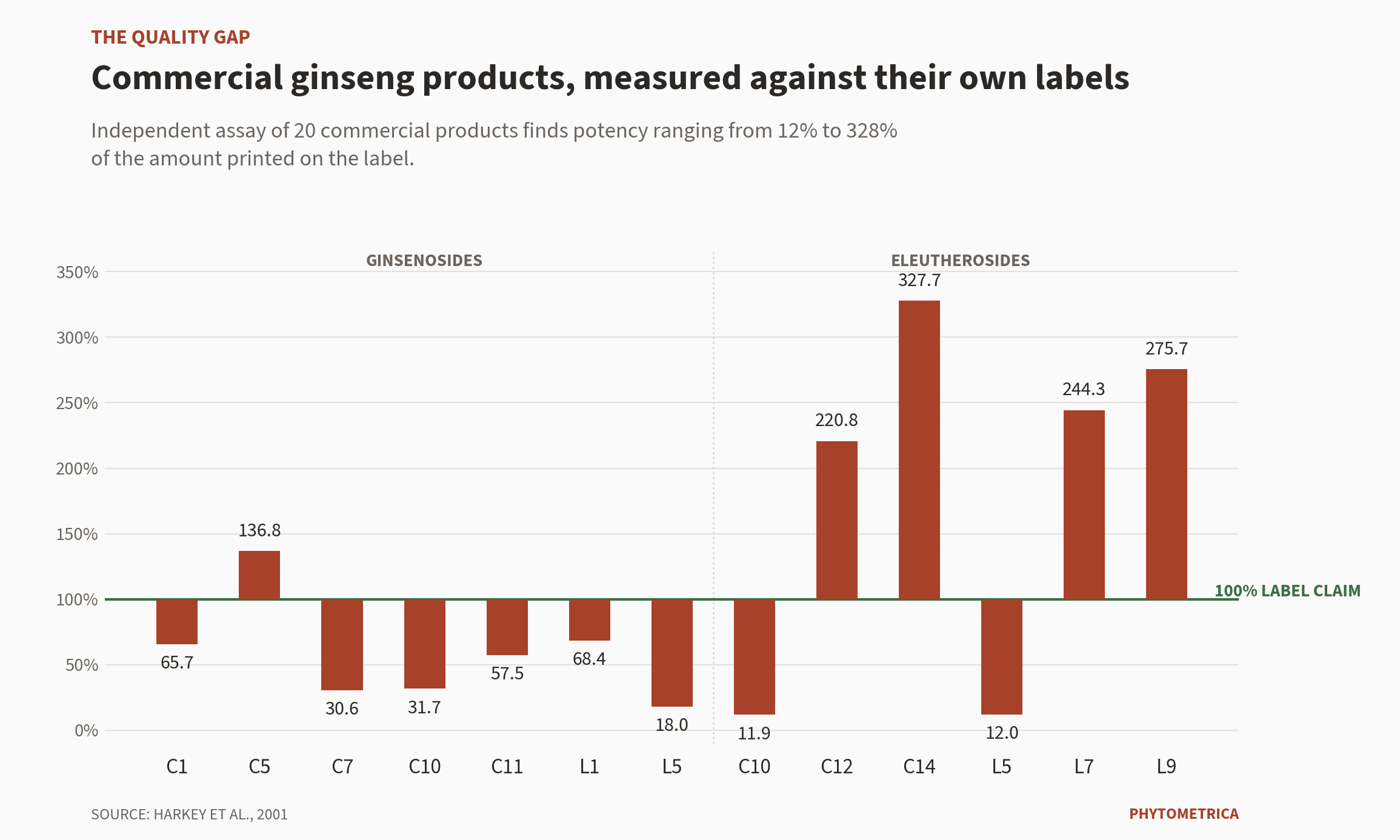
As I read these numbers, I wondered what it means to you and me and the millions of others putting these pills into their bodies.What would a 200-fold swing in ginsenoside content do inside a human body? What does it mean to call these plants medicinal if you can’t get yourself the right dose?
The coin keeps flipping even after the capsule is swallowed, deciding whether the pill you took works or not.
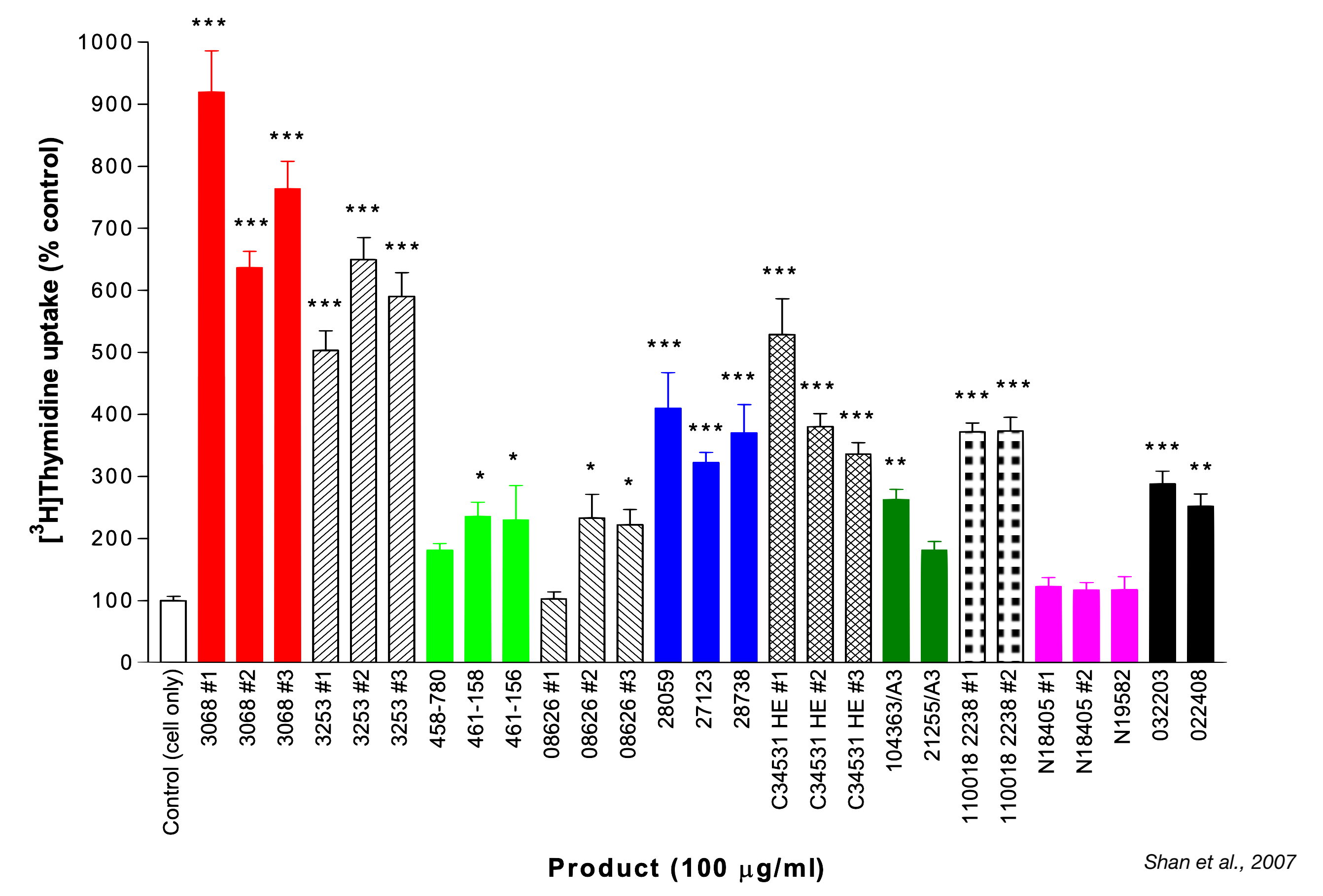
A separate study, by Shan and colleagues, tested how ginseng from different brands affected the proliferation of human immune cells in the lab, a basic marker of whether a compound improves immunity. The pattern repeated itself. The immune response varied not just from brand to brand, but from batch to batch of the same product, with a few bottles producing no effect at all. You could be buying the same brand twice and getting different medicines.
Twenty-five years later, in Switzerland…
It would be comforting if this ginseng fiasco were a one-off case. But it isn’t.
In Switzerland, Bourqui and colleagues ran the same test as Harkey’s group, but on a different plant. Their subject was Andrographis paniculata, a herb with strong evidence for its ability to alleviate respiratory infections, including common cold, sore throats, and flu-like symptoms. The researchers gathered 33 Andrographis products from pharmacies and online retailers across thirteen countries and sent them off for third-party testing of andrographolide, the compound responsible for the plant’s therapeutic effect.
Of those 33 products, only two had an andrographolide concentration that matched the label. Moreover, three of the products purchased online weren’t just mislabeled, but were contaminated with mercury and pesticide residues, including strychnine and butralin.
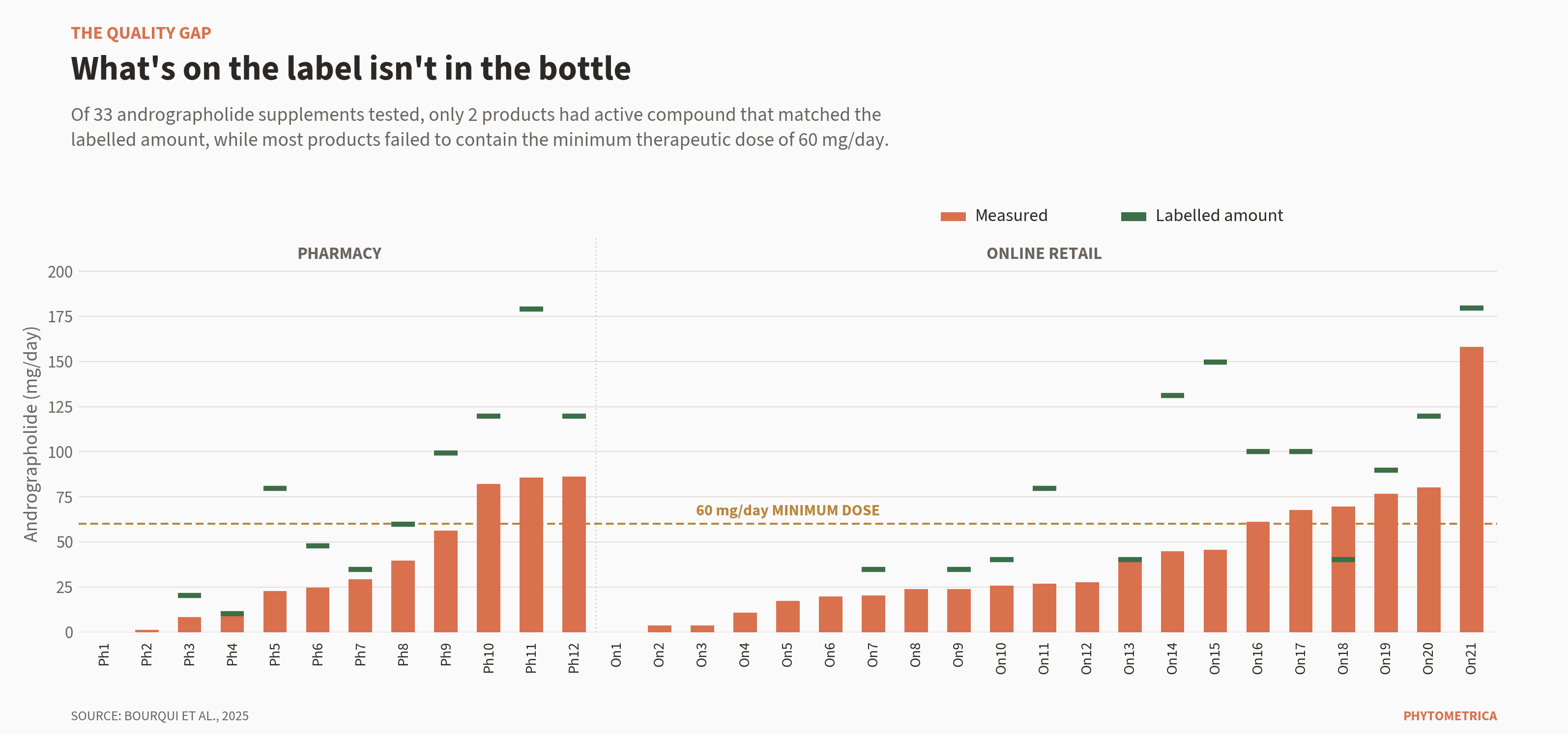
The same unpredictability observed with ginseng was also found in a different plant, over two decades later, on a different continent. This seems more like a feature than a quirk. This unpredictability creeps from field to bottle to body, disrupting the work of researchers testing whether a promising plant medicine actually works.
The tale of a tainted trial
Bourqui and colleagues tested the Andrographis products because they were on a hunt for pharmaceutical-grade plant material to use in a planned clinical trial examining whether andrographolide works against acute respiratory infections. For such a clinical trial, the plant material has to meet stringent standards: certified under good manufacturing practice, compliant with good agricultural and collection practice standards, and quality control as set in the European Pharmacopoeia. In other words, the researchers needed to know, beyond any doubt, what was in every capsule.
The group reached out to ten manufacturers across Europe. Only four had the necessary certification. Of those, only one agreed to supply the trial. But they eventually failed to provide the required quality documentation. With the available sources, there was no way to ensure the capsule handed to the first trial participant chemically resembled the one handed to the tenth.
And so, the trial died before it began.
Despite having hundreds of products that they could buy, the team could not find a single one that met the required standards.
Think about the implications for a moment. If a patient can receive anywhere from 11% to over 300% percent of an intended dose, then the question of whether a given plant medicine actually works becomes unanswerable. The frontier of plant-derived medicines gets locked because we can’t deliver plants with reliable, consistent active compounds.
To unlock the potential these medicinal plants hold, we need technologies that let us produce medicinal plants that are consistent and safe. This is where we turn to controlled environments.
Exit the casino
A plant’s chemistry is shaped by light, temperature, nutrients, and the dozens of other factors.
In fields, where the ginseng, andrographis, or every other medicinal plant that ends up on the shelf of a health food store is grown, there is no way of controlling the environment. Therefore, the concentration of active compounds in a plant harvested in June will be wildly different from one harvested in January. The field, with its constantly changing environment, is the source of the unpredictable active compounds that seep into the capsules.
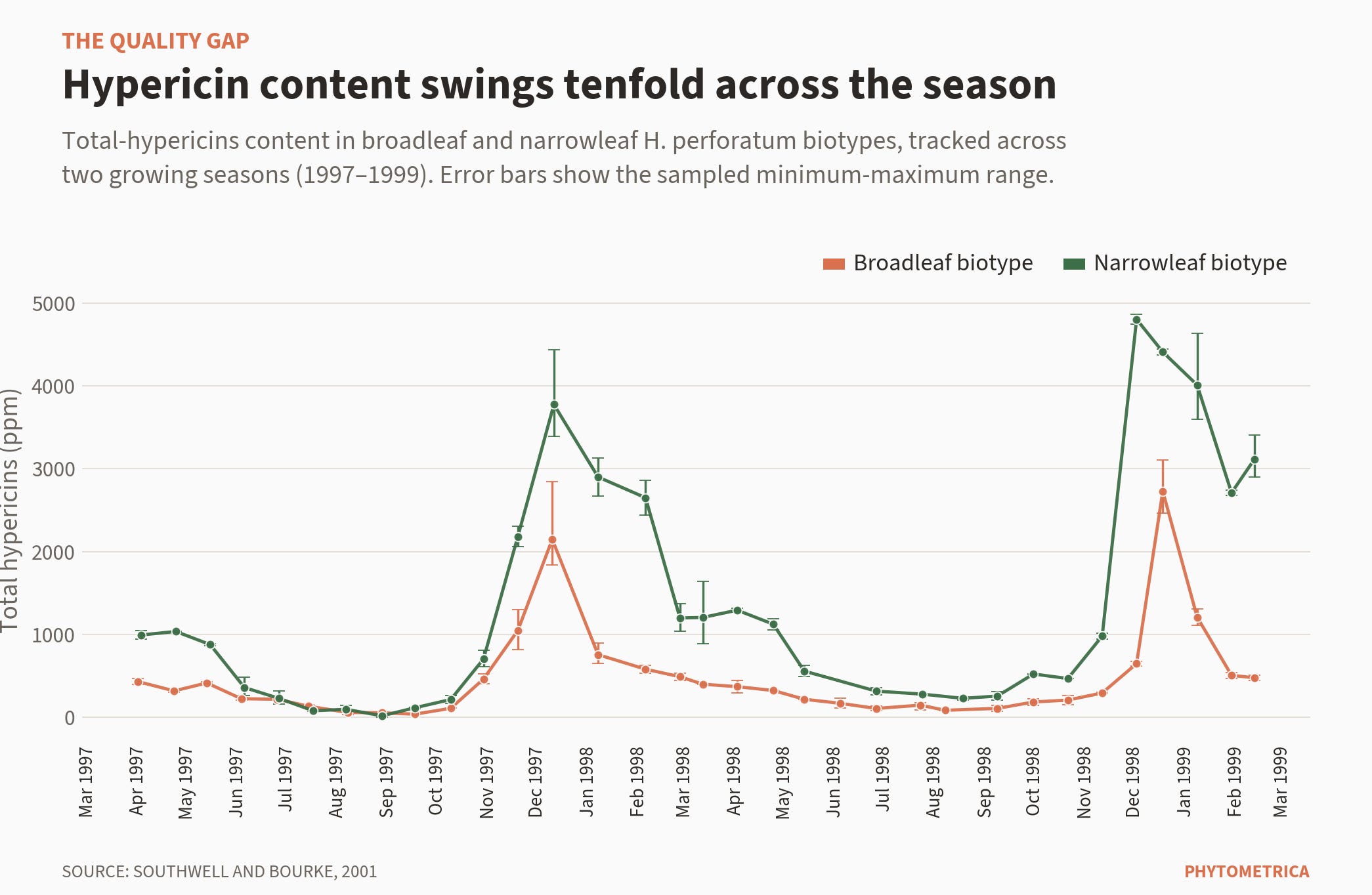
In contrast, controlled environments let you dial in and hold steady any of these factors to produce plants that are not only chemically similar to each other (assuming the same genetics, of course), but that are also similar from harvest to harvest, batch to batch, and year to year, in a way an open field never can. This means we can grow chemically identical plants, be it Tokyo or Toronto.
But right now, controlled environments’ potential is spent on crops for which the stakes of inconsistency are negligible.Inconsistent lettuce means a slightly different bite, while inconsistent basil means a pesto that’s a little less peppery than last time. A batch or variable arugula will not lead to the collapse of a clinical trial. Instead, the CEA infrastructure can be applied to medicinal plants, where biochemical consistency turns from a feature to the product itself.
Medicinal plants also open a significant market opportunity for CEA. The global demand for plant-derived medicine is large and growing, while the regulatory bar for anything entering clinical research or pharmaceutical supply chains istightening. At the same time, the operators who can supply clinical-grade, chemically consistent medicinal plant material with GMP certification will be a major bottleneck. This market can offer a more competitive position than the one most CEA businesses occupy today.
The good news is, we don’t need new infrastructure or technologies to pursue this. We can transplant the existing infrastructure with medicinal plants, with a slightly higher documentation standard, but a different definition of what “quality” actually means.
By providing pharmaceutical-grade plant material, CEA could save dozens, if not more, impactful clinical trials, which would have otherwise been shelved for the same reason the Andrographis trial was. And for the millions of us relying on what medicinal plants have to offer for our health and wellness, CEA can instil back the trust in plant medicine, one we surely need.
I didn’t paywall this post because I want it to be accessible to everyone involved in vertical farming. If this changed how you think about something, consider subscribing. By subscribing, you’d be supporting my work and getting my upcoming posts.
Read more
The end of productivity gains in vertical farming

Vertical farms produce over 20-40 times more lettuce per m² than field production. They achieve this by providing plants an optimal environment: adequate lighting, tailored spectra, tight climate control, and precise fertigation systems. This has led to massive gains in productivity.